
Principal Investigator
 THGCV_July2025THGCV_July2025 THGCV_July2025THGCV_July2025 | Dr. Teresa Head-Gordon Chancellor's Professor Pitzer Theory Center Department of Chemistry, Bioengineering, and Chemical and Biomolecular Engineering University of California, Berkeley Senior Faculty Scientist Chemical Sciences Division Lawrence Berkeley National Laboratory Contact information: 274 Stanley Hall Email: thg [at] berkeley [dot] edu |
Administrative Assistant
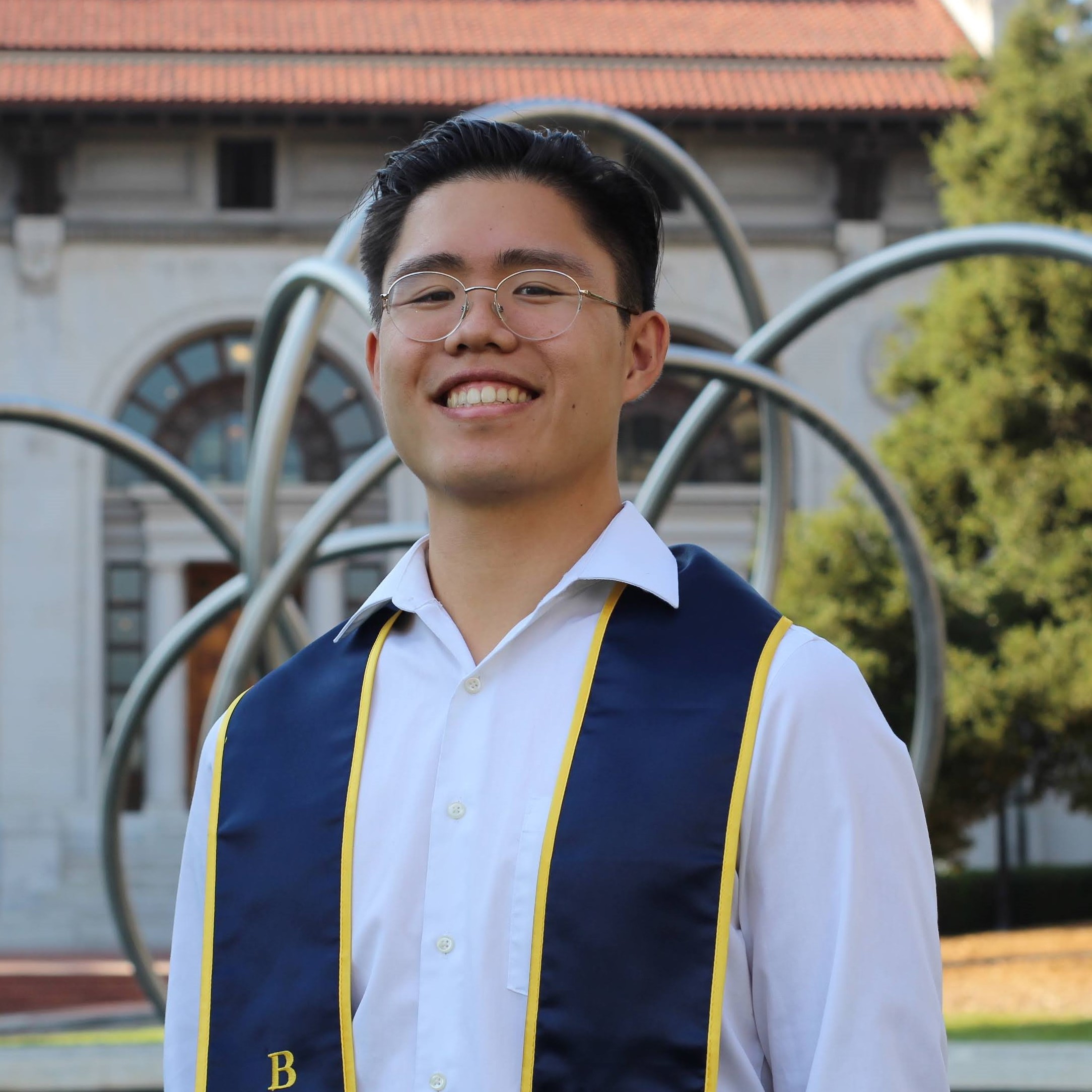 Brian Huang Office: 214 Gilman Hall Phone: 510-642-9617 Email: bhuang17@berkeley.edu |
Post-doctoral Scholars

My research explores how interfacial structure, electrostatics, and solvation influence spectroscopic, electronic, and reactive behavior at aqueous interfaces. I am also interested in developing machine-learning approaches for electronic states beyond the ground state.
- rqzhao@berkeley.edu
- Stanley 260F

My research focuses on free energy calculations for protein-ligand systems, with the goal of improving the accuracy and scalability of binding thermodynamics predictions. I develop scalable estimators of potential energy landscapes to support efficient physics-based virtual screening at scale.
- jhml@berkeley.edu
- 260 Stanley Hall
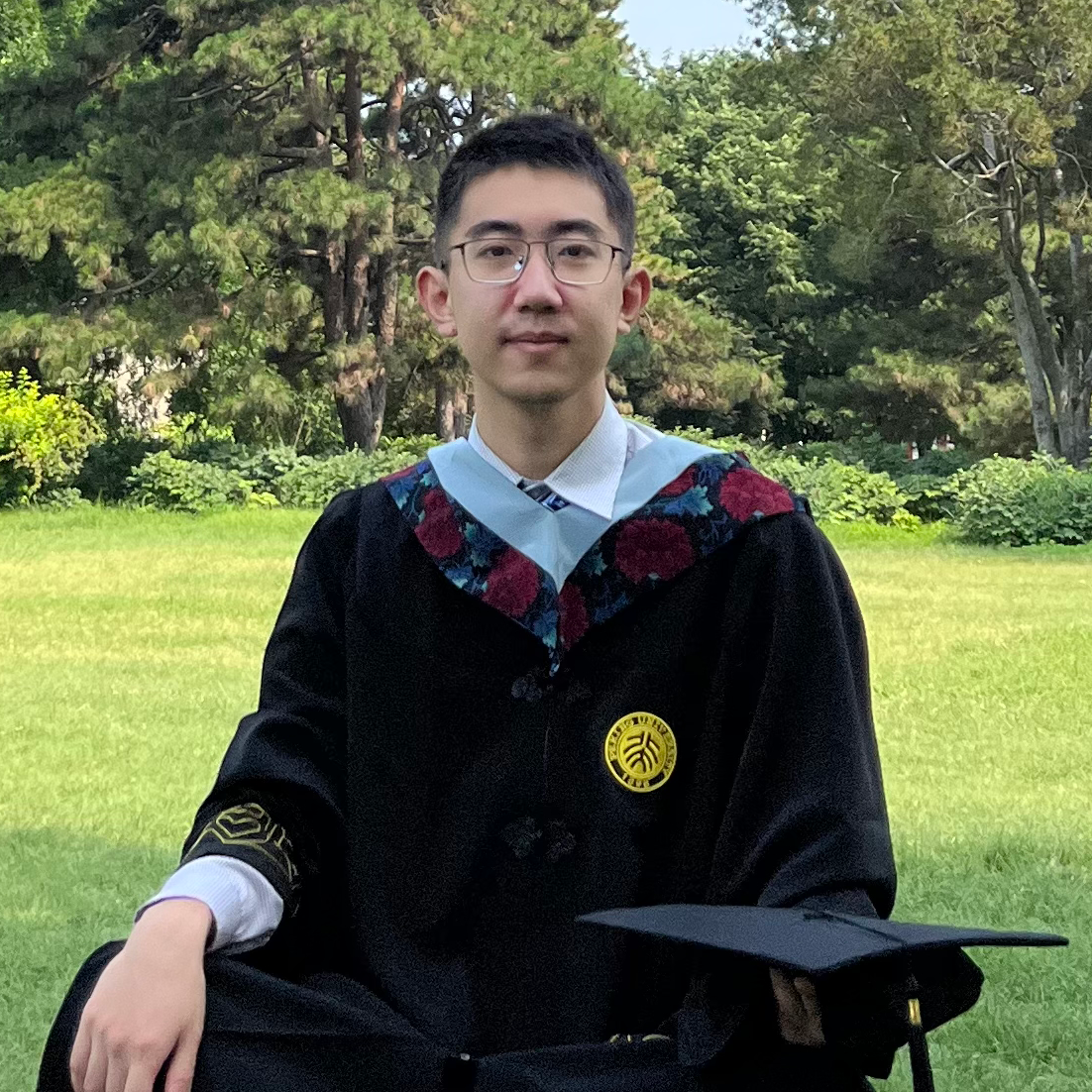
My thesis research focuses on developing advanced many-body polarizable force fields (MB-UCB) for biomolecules using energy decomposition analysis (EDA), as well as studying the bio-molecular interactions. I’m also involved in a drug-discovery project where we use deep reinforcement learning to generate viral inhibitors and apply physics-based methods including docking, molecular dynamics and free energy perturbation to evaluate the potency.
- ericwangyz@berkeley.edu
- 260C Stanley Hall

My research covers most aspects of computational drug discovery, including de novo generation method development, synthesizability control, and lead optimization via machine learning models. Current interest includes exploration of cofolding models and LLM for drug design.
- kysun@berkeley.edu
- 260C Stanley Hall
Graduate Students

My research aims to make machine learning interatomic potentials a practical tool for studying chemical reactions. I first showed that their differentiability yields accurate analytical Hessians without explicit training, enabling efficient transition-state optimization. Building on this, I address the remaining obstacles to reaction modeling: I developed Popcornn to find reaction paths as continuous neural functions, force field pre-training to keep simulations stable, and large-scale transition-state datasets and benchmarks, including LeMat-TS, to train and evaluate these models.
- ericyuan@berkeley.edu
- 260D Stanley Hall
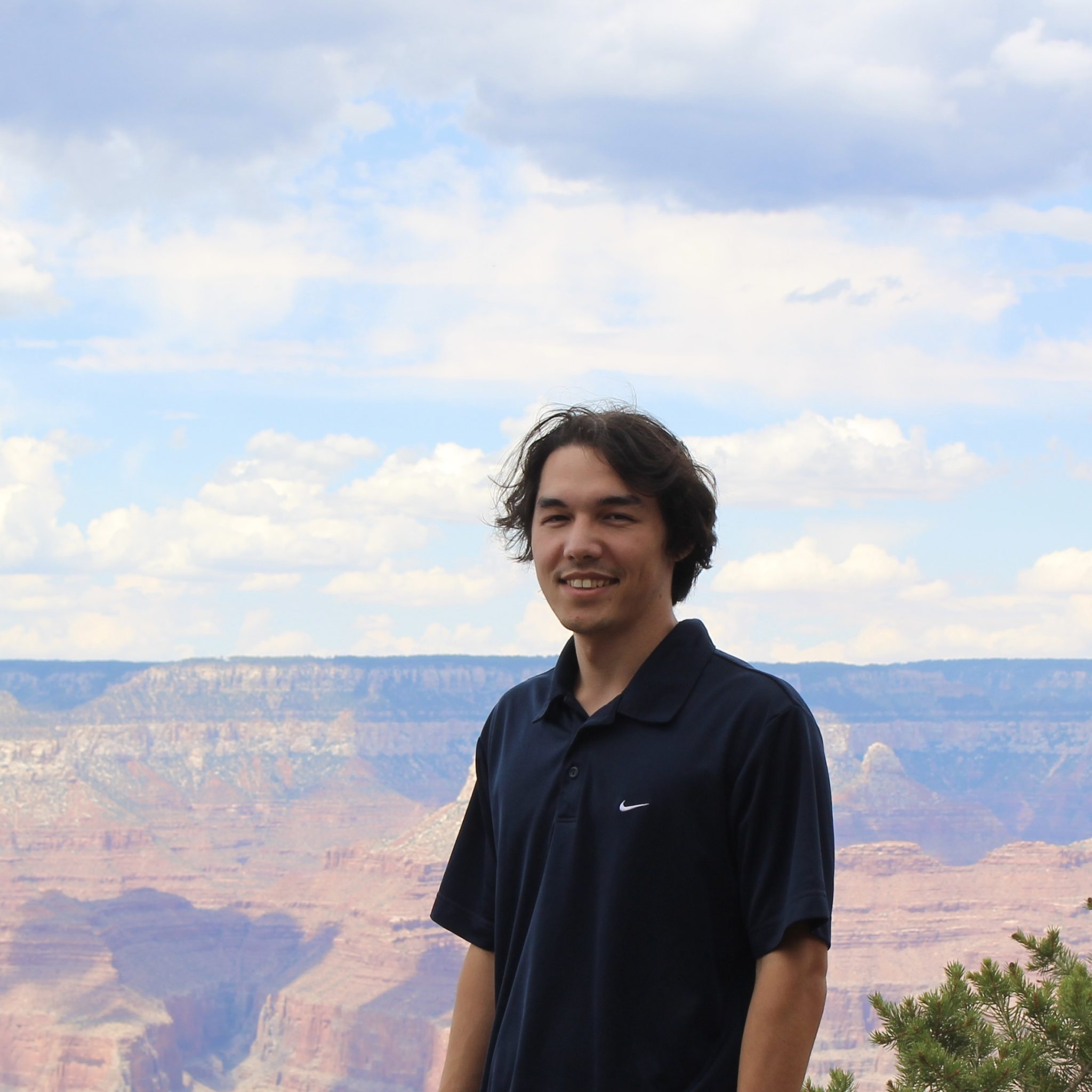
My research focuses on the development of reactive force fields informed by molecular properties of reactivity, such as the Mayer and Wiberg bond indices. I use a combination of machine learning and empirical models to enable future large-scale and routine studies of reactive systems.
- kim_lukas@berkeley.edu
- 260A Stanley Hall

My current research focuses on developing methodology for antiviral discovery. To do this, I'm turning large language models (LLMs) into chemical language models (CLMs) with the ability to generate drug-like molecules with specific properties. I'm also optimizing various compounds for antiviral ability.
- jmcavanagh@berkeley.edu
- 260 Stanley
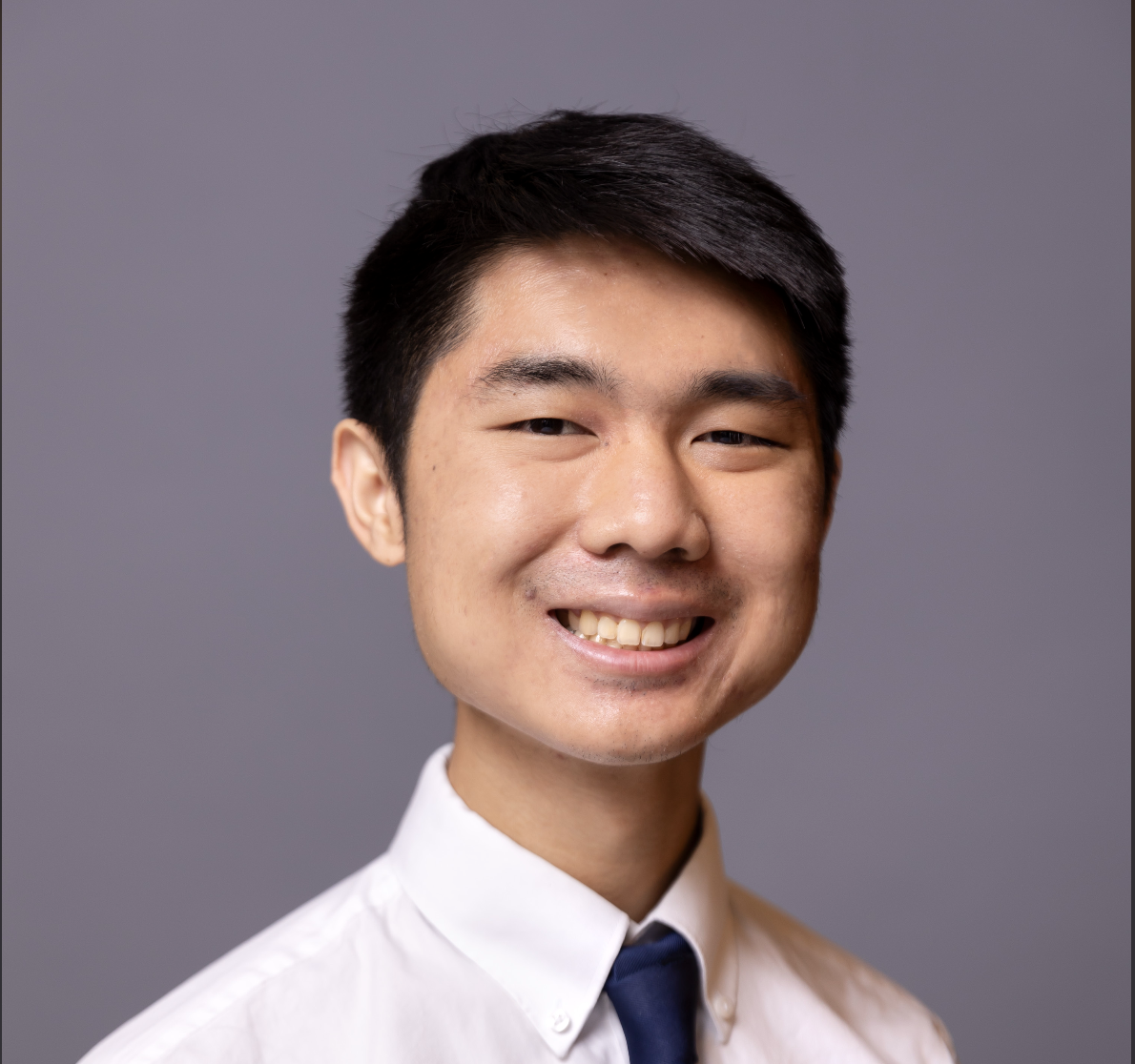
My research focuses on developing computational methods for structure-based drug discovery, spanning small molecule property prediction and cofolding-based approaches for fragment discovery targeting allosteric and cryptic pockets. Current interests include harnessing the known chemistry of cofolding models to better control and interpret conformational sampling, and developing fragment elaboration tools for lead optimization.
- justin_purnomo@berkeley.edu
- Stanley 260
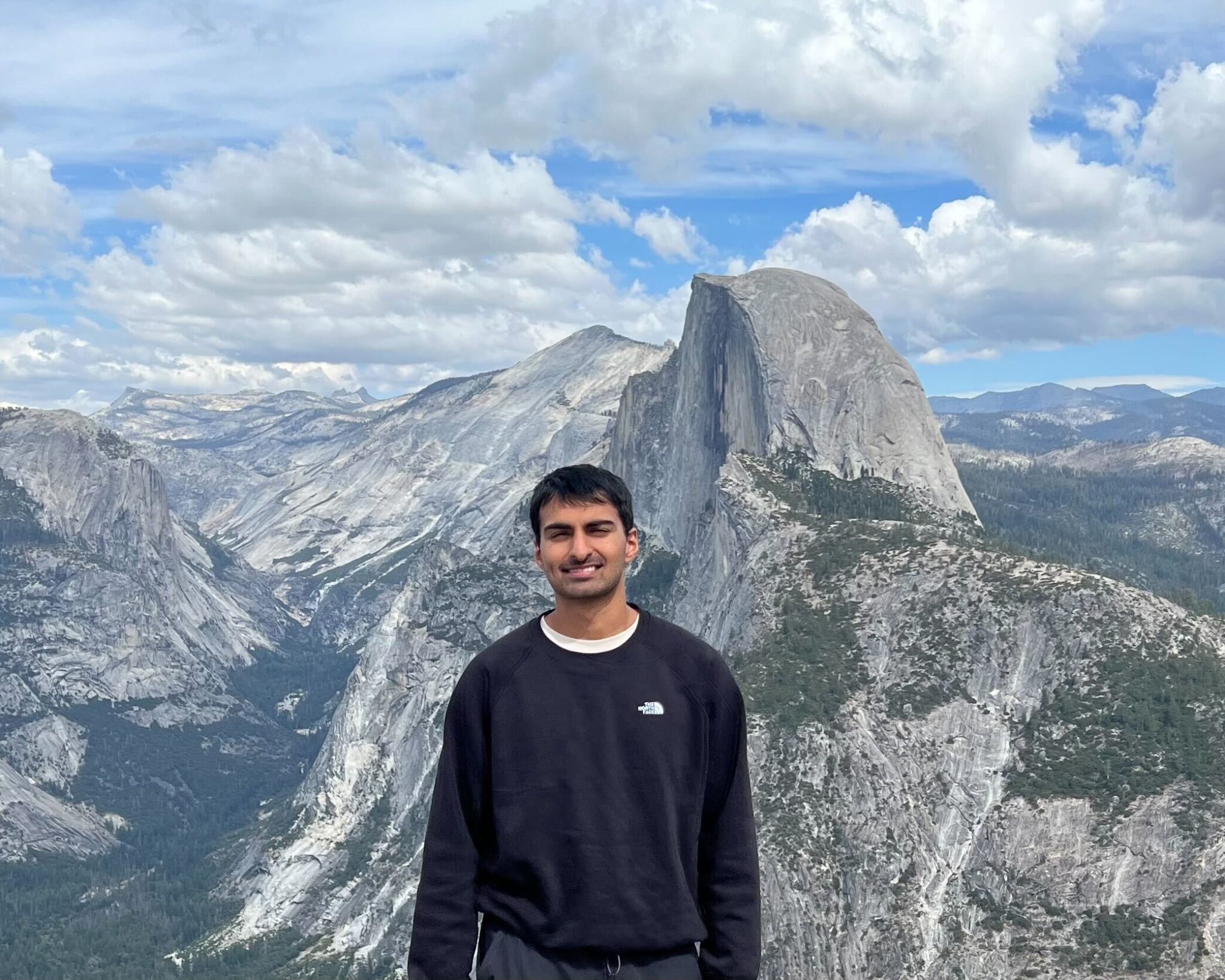
My research focuses on developing advanced multipolar polarizable force fields (CMM) that aim to reproduce quantum mechanical potential energy surfaces with greater fidelity than traditional molecular mechanics models. I also work on building tools for generating molecule-specific force fields, with the ultimate goal of applying these methods to achieve a more accurate description of condensed phase systems.
- aalimabdullah@berkeley.edu
- 260 Stanley Hall

My current research focuses on correcting the overbinding issue of VV10 dispersion in condense phase by adding three-body dispersion.
- gwu59@berkeley.edu
- 260 Stanley

My research interests cover drug discovery, machine learning and quantum chemistry. I am currently focusing on Agentic AI applied to MD simulations.
- gb_alteri@berkeley.edu
- 260 Stanley Hall

My research focuses on predicting the structural ensembles of intrinsically disordered protein regions. To that end, I employ generative diffusion models that combine static structural templates with stochastic sampling to generate physically realistic ensembles of dynamic protein regions.
- stefanodecastro@berkeley.edu
- 260 Stanley

I'm interested in the development and application of machine learning methods especially generative models, applied to problems in drug discovery.
- curtis_wu@berkeley.edu
- Stanley Hall 260

I’m interested in the development of new architectures and training methods for machine-learned interatomic potentials.
- hparish@berkeley.edu
- 260 Stanley

My research interests focus on understanding how macroscopic behavior emerges from microscopic phenomena by combining electronic structure theory and MLIPs to investigate molecular interactions and chemical reactivity across scales.
- anthonyol@berkeley.edu
- Stanley Hall 260

I am interested in developing machine learning methods for small molecule drug discovery, with a current focus on building and benchmarking agents for computer-aided drug design.
- jvabraham13@berkeley.edu
- Stanley Hall 260
Rotational Students

I am interested in developing machine learning models to accurately simulate and generate structural ensembles of Intrinsically Disordered Proteins (IDPs).
- hannah_boyd@berkeley.edu
- Stanley Hall 260
Undergraduate Students


Visiting Scholars